

Reading the evidence
Testing & COAs
A certificate of analysis is only as useful as your ability to check it. Start with what HPLC and mass spectrometry actually measure, then verify a report at the laboratory that issued it.
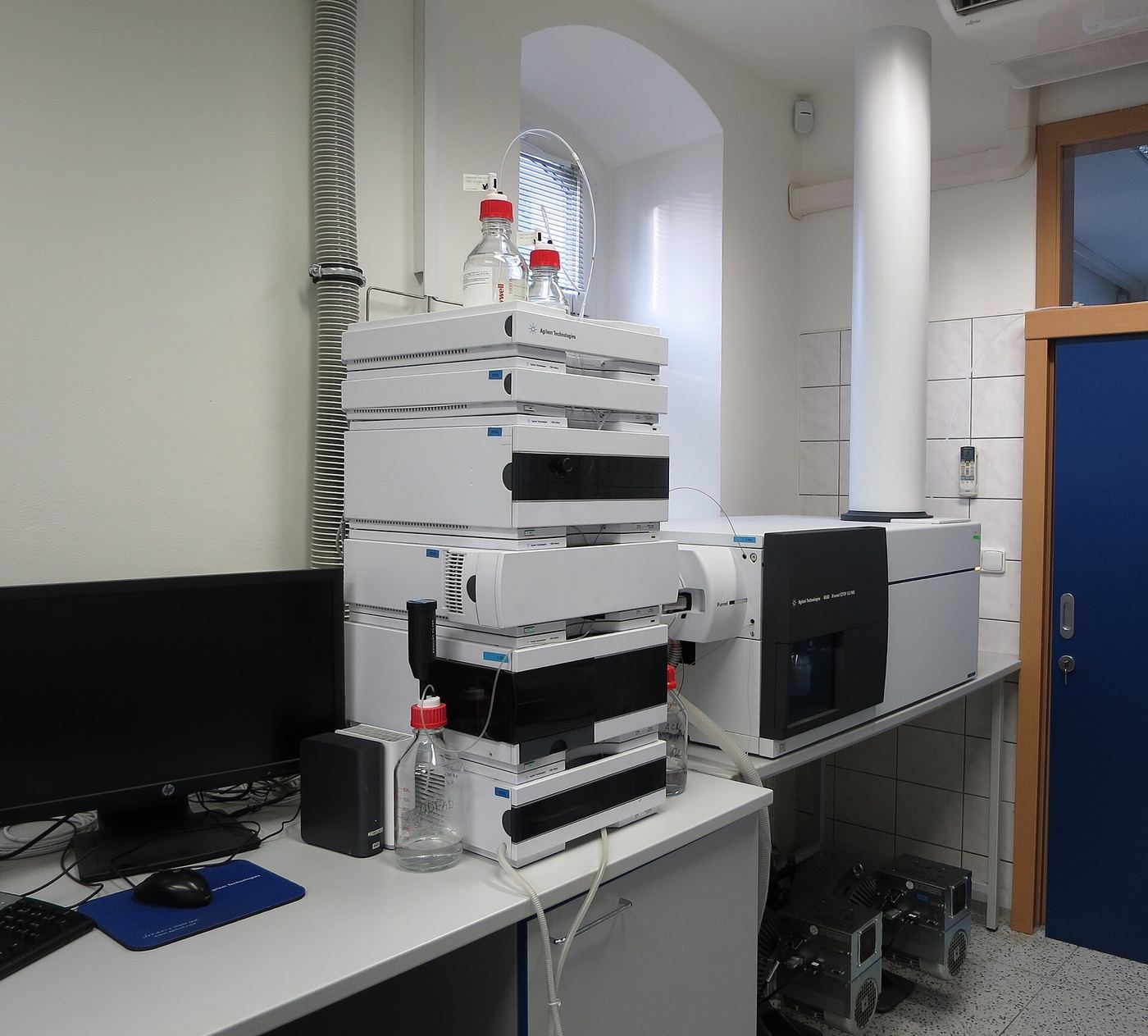
Research-peptide certificates mostly rely on two methods. HPLC separates a sample into its components and expresses purity as the share of the main peak. Mass spectrometry measures molecular mass, confirming the main component is the molecule claimed. Some certificates add a quantity measurement, and a few add tests such as endotoxin, sterility or heavy metals.
The guides below explain each part of a certificate, how to tell a laboratory-hosted record from a seller-hosted copy, and what no certificate can show.
Start here How to read a certificate of analysis (COA) for research peptides A field-by-field guide to peptide certificates: what HPLC purity and mass-spectrometry identity measure, why content differs from purity, and what no certificate can show.Reading the evidence
Formats & handling
Sourcing & suppliers
Sourcing & suppliers