

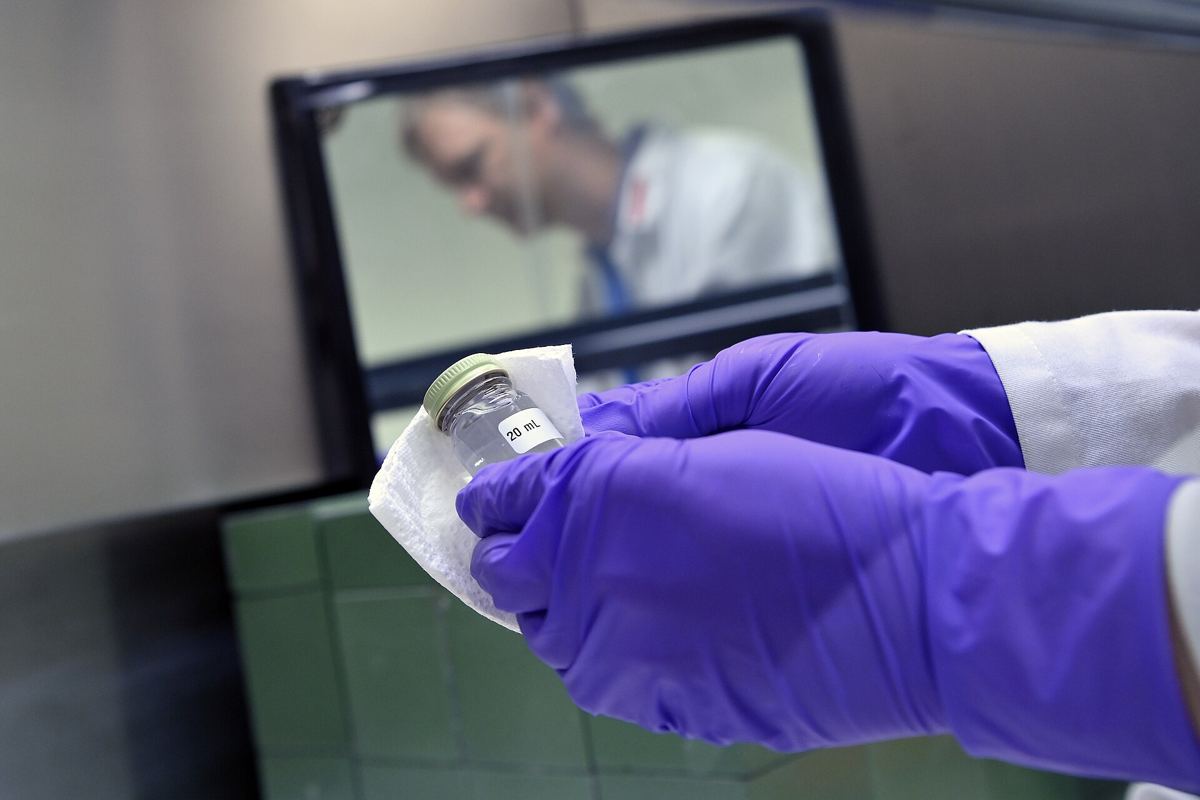
How to match a vial’s batch number to its certificate
In short
Find the batch code on the vial, pen or box and look for the same code on the certificate. Check the product and size match, open the laboratory’s own record if a link is offered, and note the test date. If no certificate carries your batch, ask the supplier in writing.
A certificate of analysis only describes the batch that was tested. The single most useful check a buyer can make is therefore simple: does the batch number on the vial or pen match the batch number on the certificate? This guide shows how the suppliers in our directory make that possible, and what to do when it isn’t.
Why the batch number matters
Peptides are made in production runs. Each run can differ slightly in purity and in how much material ends up in each vial. A certificate for one run says nothing direct about another. That is why a “representative” certificate is weaker evidence than one that carries your batch number.
Three ways suppliers link a vial to its certificate
| Model | How it works | Seen at |
|---|---|---|
| Public batch library | A page lists batches with a link to each report. Where the link opens the laboratory’s own record, you can check the report was not altered. | SHLabz (Janoshik records); BodyPharm (Janoshik for two compounds, in-house HPLC for the rest) |
| Verification tool on the supplier’s site | You enter a lot or batch code and the site returns the document. | VaultLabs |
| Certificate on request | The supplier emails a lot-matched certificate when asked. | Dubai Peptides |
BodyPharm’s lab-results page describes the process directly: “scan the QR code on the pen label, find its batch number in the table below, and open the full COA.”
How to check, step by step
- Find the batch or lot code on the vial, pen or box.
- Open the supplier’s certificate page, tool or email and find the same code.
- Check the product name and size match too — a batch number for a 10 mg vial does not cover a 5 mg one.
- If a link is offered, open the laboratory’s record and compare the report number and figures.
- Note the test date. A recent date for an older batch, or the reverse, is worth asking about.
When nothing matches
Ask the supplier, in writing, for the certificate for your batch. A supplier that publishes certificates should be able to answer. If it cannot, record that and treat the product as undocumented. Our directory scores suppliers on whether certificates show batch numbers and whether every certificate links to the laboratory’s own record — see how we rank.
Questions
Is a certificate for a different batch still useful?
It shows the supplier tests its products, but it is not evidence about your batch. Ask for the matching certificate.
Is a QR code on the label enough?
Only if it leads to a report you can match by batch number — ideally one hosted by the laboratory, not only by the seller.
6 sources
Sources
- General reference Certificate of analysis — Wikipedia (opens an external site in a new tab) link checked 2 Oct 2026
- General reference ISO/IEC 17025 — Wikipedia (opens an external site in a new tab) link checked 2 Oct 2026
- Supplier document SHLabz — Lab results (batch testing results) (opens an external site in a new tab) link checked 14 Oct 2026
- Supplier document BodyPharm — Lab results & certificates of analysis (opens an external site in a new tab) link checked 15 Oct 2026
- Supplier document VaultLabs — COA verification (opens an external site in a new tab) link checked 14 Oct 2026
- Supplier document Dubai Peptides — Research use only (opens an external site in a new tab) link checked 14 Oct 2026
Educational information only — not medical, dosing or legal advice. Report an error
Read next
Sourcing & suppliers
How to verify a third-party laboratory testing claim
Sourcing & suppliers