


Research peptide glossary: the terms on supplier pages and certificates
In short
Purity (HPLC) is a ratio; net content is an amount; identity (mass spectrometry) confirms the molecule. RUO is a seller’s statement of intended use, not an approval. Each term is defined below in a sentence or two.
Supplier pages and certificates use a lot of shorthand. This glossary explains the terms you will meet most often in this directory, in plain English. It describes what words mean on documents; it is not guidance on using any product.
Documents and testing
- Certificate of analysis (COA)
- A laboratory report on a sample from one batch. It lists the tests run and the results. See how to read a COA.
- Batch / lot number
- The code for one production run. It should appear on both the vial and its certificate.
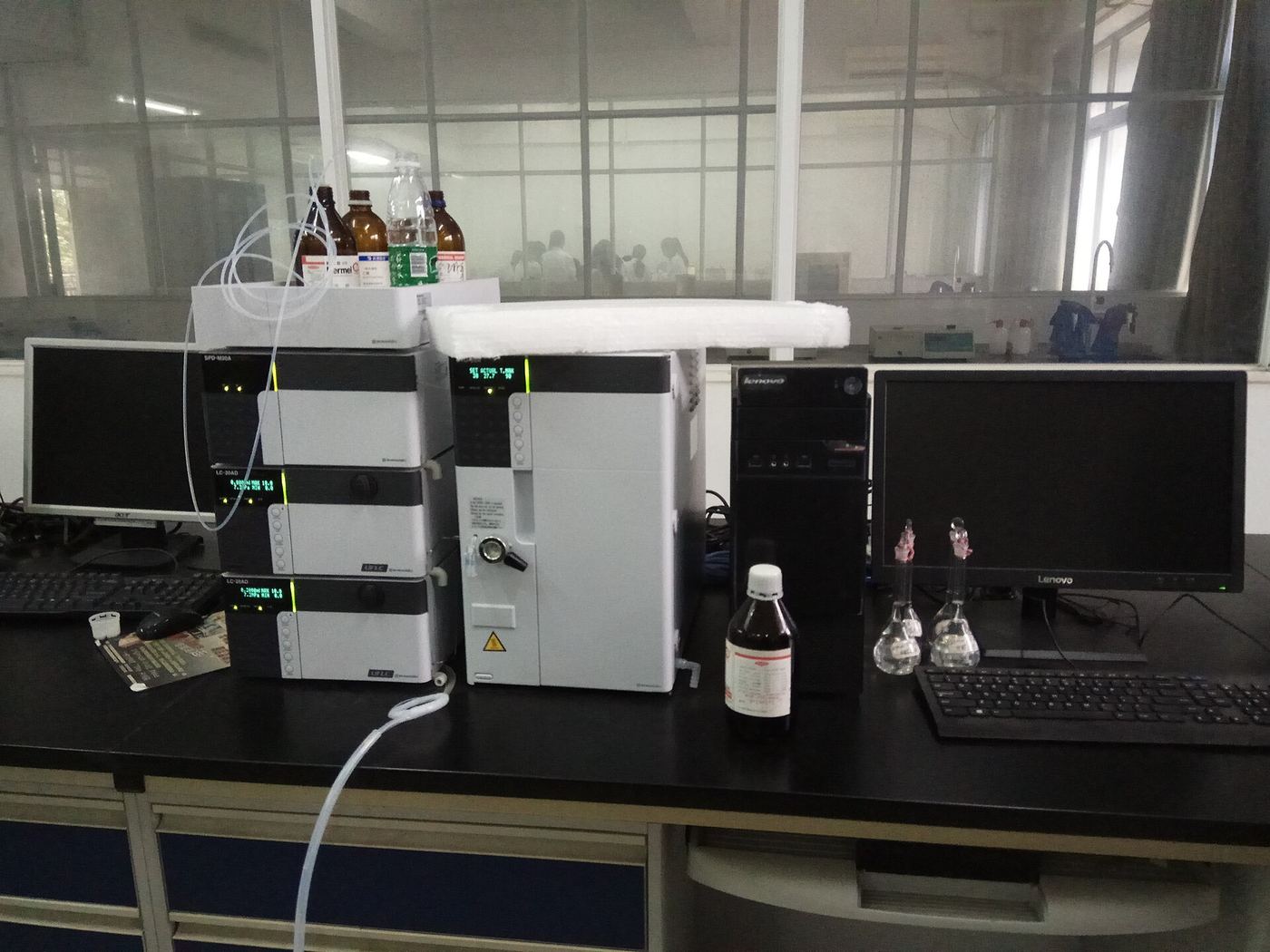
- HPLC
- High-performance liquid chromatography. Separates a sample into components; “purity” is usually the main peak’s share of the total.
- Mass spectrometry (MS, LC-MS, ESI-MS)
- Measures molecular mass. Used to confirm identity — that the main component is the expected molecule.
- Purity
- A percentage from HPLC. It is a ratio, not an amount.
- Net content / quantity
- How much material was measured in the tested vial, in mg. Different from purity.
- Counter-ion (acetate, TFA)
- A small ion paired with the peptide in the powder. It adds weight but does not appear in the HPLC purity figure.
- Third-party testing
- Testing by a laboratory independent of the seller. A report hosted on the laboratory’s own site is the strongest form of this.
- In-house testing
- Testing by the seller’s own laboratory. Useful, but not independent.
- ISO/IEC 17025
- The international standard for the competence of testing and calibration laboratories.
Formats and handling
- Lyophilised
- Freeze-dried. Water has been removed to slow degradation; the standard format for sealed research vials.
- Pre-filled pen
- A device holding the peptide already in solution. Suppliers in our directory deliver these within the UAE only.
- Nasal spray
- Another solution format; also UAE-only at the suppliers we list.
- Bacteriostatic water
- Sterile water with a preservative, sold as a laboratory supply.
- Cold chain
- Keeping products within a set temperature range throughout transport and storage.
Labels and regulation
- RUO — research use only
- The seller’s statement that a product is for laboratory research, not for human or veterinary use. It is not a regulatory approval and does not make an import legal.
- GMP
- Good manufacturing practice: the quality system regulators require for medicines. A research reagent sold as RUO is not a GMP medicine.
- Registered medicine
- A product assessed and approved by a national authority for a specific use.
9 sources
Sources
- General reference High-performance liquid chromatography — Wikipedia (opens an external site in a new tab) link checked 2 Oct 2026
- General reference Mass spectrometry — Wikipedia (opens an external site in a new tab) link checked 2 Oct 2026
- General reference Certificate of analysis — Wikipedia (opens an external site in a new tab) link checked 2 Oct 2026
- Analytical method Sikora K, et al. The Role of Counter-Ions in Peptides — An Overview. Pharmaceuticals, 2020 (opens an external site in a new tab) link checked 2 Oct 2026
- General reference ISO/IEC 17025 — Wikipedia (opens an external site in a new tab) link checked 2 Oct 2026
- General reference Good manufacturing practice — Wikipedia (opens an external site in a new tab) link checked 2 Oct 2026
- General reference Cold chain — Wikipedia (opens an external site in a new tab) link checked 2 Oct 2026
- Official / regulatory Distribution of In Vitro Diagnostic Products Labeled for Research Use Only or Investigational Use Only — US FDA guidance, 2013 (opens an external site in a new tab) link checked 2 Oct 2026
- Analytical method Wang W. Lyophilization and development of solid protein pharmaceuticals. Int J Pharm, 2000 (opens an external site in a new tab) link checked 2 Oct 2026
Educational information only — not medical, dosing or legal advice. Report an error
Read next
Reading the evidence
Research reagents vs approved medicines: what the label means in the GCC

Sourcing & suppliers