

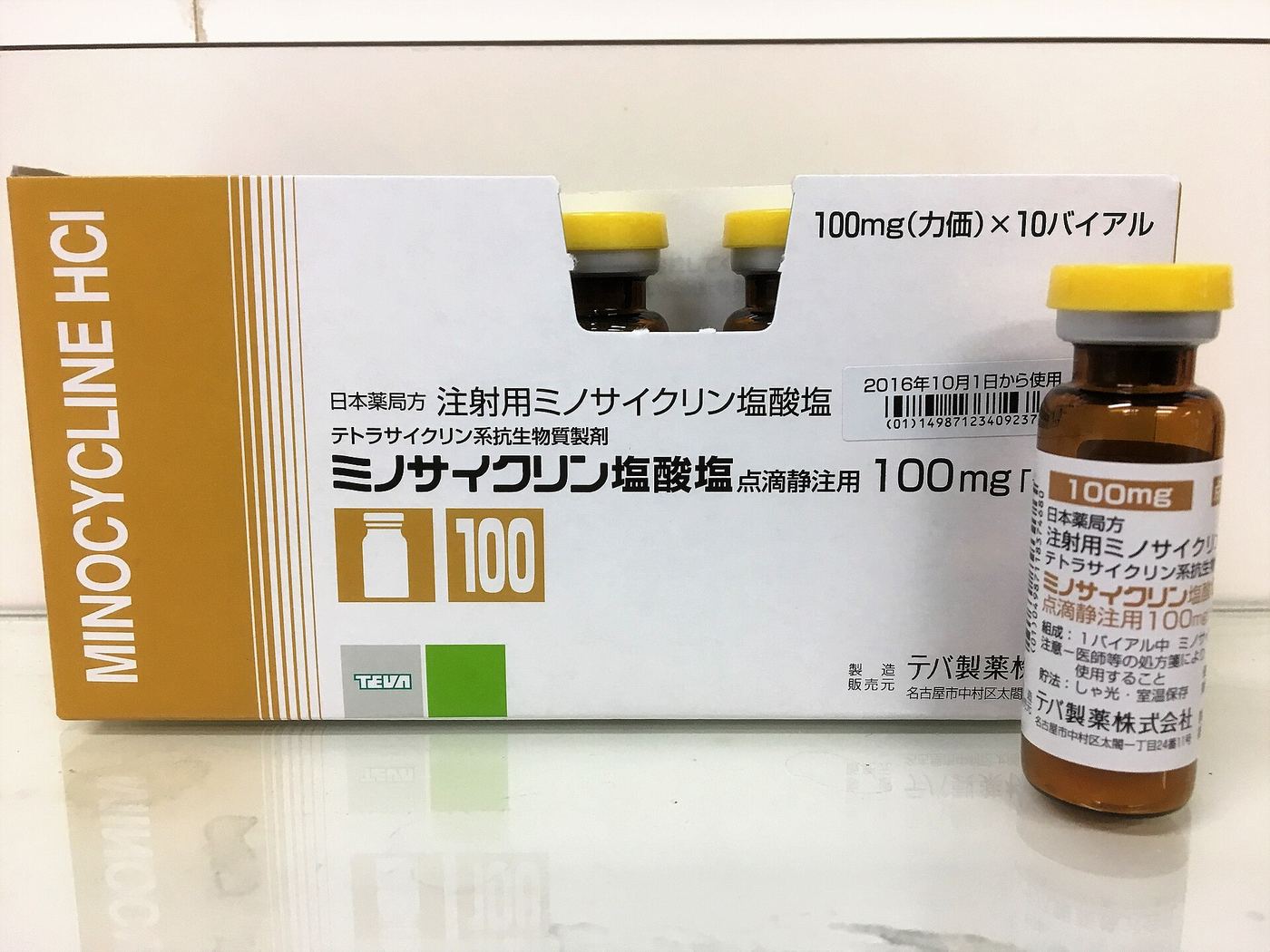
Vials, pens and nasal sprays: research formats compared
In short
Sealed lyophilised powder is the standard research format and generally the most stable. Pens and sprays hold the peptide in solution, need refrigeration, and SHLabz delivers them within the UAE only. A certificate for a powder batch does not describe a liquid product filled from it.
Research-peptide catalogues in the Gulf now list the same compound in several formats: a sealed vial of freeze-dried powder, a pre-filled pen or cartridge, a nasal spray, sometimes a capsule or a topical serum. This guide looks at those formats as laboratory materials, covering stability, documentation, shipping and regulatory signals. It does not cover administration, and nothing here suggests any format is intended for use in people.
Lyophilised (freeze-dried) vials
Most research peptides are supplied as a lyophilised powder in a sealed glass vial. Freeze-drying removes water at low temperature and pressure. It is a standard technique for stabilising proteins and peptides, described in the pharmaceutical literature and in regulators’ inspection guidance. The result is a solid that is generally much more stable than the same peptide in solution.
Suppliers differ in how they describe storage. One supplier’s shipping policy says sealed lyophilised powder “does not require” cold-chain transport, but ships vials cold within the UAE anyway because “it removes a variable from your end”. Another says most of its sealed vials specify 2–8 °C storage. Read each supplier’s own storage statement, and its certificate’s storage conditions, rather than assuming a single rule.
Pre-filled pens, cartridges and nasal sprays
These formats hold the peptide already in solution. That changes three things.
- Stability. Solutions are more exposed to degradation than dry powder. Suppliers that sell them say they need refrigeration from the moment they arrive.
- Shipping. SHLabz says pens and nasal sprays are delivered within the UAE only, and never across the GCC, because they need cooled handling. One of them always charges its paid cooled-delivery rate for these formats.
- Documentation. A certificate for the powder batch describes the powder. Ask whether a liquid product was filled from a certified batch, and whether the filled product itself was tested.
There is also a regulatory signal to notice. Ready-to-use devices resemble finished medicines more closely than a sealed vial of reagent does, and some authorities may treat them differently. Ask the authority in your country, as described in our import-checks guide.
Capsules, serums and supplies
Some catalogues add oral capsules, cosmetic-style serums and laboratory supplies such as bacteriostatic water. Each is a different product category with different documentation. A peptide certificate for a powder batch does not describe a serum formulated from it.
Comparing across formats
A pen and a vial labelled with the same milligram figure are not the same product, and their prices should not be compared as if they were. Our pricing guide explains why price observations on this site are always shown with format and amount.
| Format | Physical state | Cross-border shipping (suppliers we cover) | Key document question |
|---|---|---|---|
| Lyophilised vial | Dry powder, sealed | Commonly offered, standard tracked | Does the batch on the certificate match the vial? |
| Pre-filled pen / cartridge | Solution | UAE-only at SHLabz | Was the filled product tested, or only the source batch? |
| Nasal spray | Solution | UAE-only at SHLabz | As above, plus the formulation’s other ingredients |
| Serum / topical | Formulated liquid | Varies | The peptide certificate does not describe the formulation |
7 sources
Sources
- Analytical method Wang W. Lyophilization and development of solid protein pharmaceuticals. Int J Pharm, 2000 (opens an external site in a new tab) link checked 2 Oct 2026
- Official / regulatory Guide to Inspections of Lyophilization of Parenterals (7/93) — US FDA (opens an external site in a new tab) link checked 2 Oct 2026
- Analytical method Li J, et al. Interfacial Stress in the Development of Biologics. AAPS J, 2019 (opens an external site in a new tab) link checked 2 Oct 2026
- Official / regulatory TRS 1025 — Annex 7: Good storage and distribution practices for medical products — WHO, 2020 (opens an external site in a new tab) link checked 2 Oct 2026
- General reference Cold chain — Wikipedia (opens an external site in a new tab) link checked 2 Oct 2026
- Supplier document SHLabz — Shipping policy (opens an external site in a new tab) link checked 14 Oct 2026
- Supplier document VaultLabs — FAQ (opens an external site in a new tab) link checked 14 Oct 2026
Educational information only — not medical, dosing or legal advice. Report an error
Read next

Sourcing & suppliers
Research peptide pricing in the GCC: comparing like with like

Regulation & import
Checking import rules for research products, country by country
Sourcing & suppliers